Solving Content Bottlenecks with Lua
 Louis LuaAI Visibility Analyst at Lua Rank
Discover effective content bottleneck solutions that save teams 10-15 hours per article. Automate your workflow for consistent publishing and faster rankings.
You know that sinking feeling when you've got a brilliant product, solid marketing strategy, and ambitious growth targets—but your content calendar looks like a ghost town? We've been there. The content grind hits different when you're running a lean team, and finding an effective content bottleneck solution becomes critical for survival.
Most founders spend weeks stuck in the content creation cycle: research, write, edit, optimize, format, publish, promote. Rinse and repeat. By the time you've published one piece, three competitors have already captured the search results you were targeting. McKinsey's research shows that generative AI could boost productivity by up to 4.4 trillion dollars annually, yet most small teams still handle content creation manually.
That's exactly why we built Lua. After watching countless founders burn out trying to scale content production while wearing every other hat in their business, we realized the problem wasn't just about writing—it was about the entire workflow that turns ideas into rankings.
The Real Cost of Content Bottlenecks
Content bottlenecks don't just slow down your publishing schedule. They compound into bigger problems that directly impact your bottom line.
Time Drain on Core Business Functions
When founders spend 15-20 hours per week on content creation, that's time stolen from product development, customer acquisition, and strategic planning. We've seen startups delay product launches because their CEO was buried in blog posts that *might* drive organic traffic months later.
The time savings from automation isn't just about efficiency—it's about opportunity cost. Every hour spent manually formatting articles or fact-checking citations is an hour not spent talking to customers or refining your product-market fit.
Inconsistent Publishing Leads to SEO Penalties
Search engines reward consistency. Publishing three articles in week one, then going silent for three weeks sends mixed signals about your site's activity and relevance. Search advertising spending continues to grow globally, reaching over $280 billion, but organic visibility through consistent content remains the most cost-effective long-term strategy.
Publishing Frequency | Average Time to Page 1 | Monthly Organic Growth |
|---|---|---|
1 article/month | 8-12 months | 5-8% |
1 article/week | 4-6 months | 15-25% |
3+ articles/week | 6-10 weeks | 35-50% |
Missing the AI Search Revolution
Here's what most teams miss: optimizing for Google alone isn't enough anymore. ChatGPT, Perplexity, and other AI models are becoming primary research tools. Harvard Business Review notes that generative AI is fundamentally changing how people discover and consume information.
Traditional SEO tools optimize for search engines, but they don't consider how AI models parse and rank content. That's a critical gap that directly impacts your future discoverability.
How Lua Eliminates Content Production Bottlenecks
We designed our content bottleneck solution around one core principle: *automation without compromise*. You shouldn't have to choose between speed and quality, or between SEO optimization and brand consistency.

Automated dashboards provide clear visibility into your content bottleneck solution implementation and performance metrics.
Full-Stack Content Automation
Lua handles the entire pipeline that typically creates bottlenecks:
Research: We analyze your industry, competitors, and target keywords to identify content gaps
Writing: AI generates brand-consistent articles that match your voice and expertise level
Optimization: Dual optimization for both traditional search engines and AI models
Fact-checking: Automated verification against authoritative sources
Publishing: Direct integration with your CMS for seamless publication
This end-to-end automation eliminates the handoffs and delays that create bottlenecks in traditional content workflows.
Brand Consistency at Scale
One concern we hear about automated content: "Will it sound like my brand?" We train our AI on your existing content, brand guidelines, and industry expertise. The result is content that reads like your team wrote it, not a generic content mill.
Our beta users report that readers can't distinguish between Lua-generated articles and their manually written content. That's the sweet spot for production scaling—maintaining quality while dramatically increasing output.
Measurable Results in Weeks, Not Months
Traditional content strategies take 6-12 months to show meaningful results. Our platform delivers first-page ChatGPT rankings in under 40 days. Why? Because we optimize for how AI models actually evaluate and rank content, not just traditional SEO factors.
"Before Lua, we were publishing maybe 2 articles per month and seeing minimal organic growth. Now we're at 12 articles monthly with 300% better engagement rates. The time savings alone paid for itself in week two." - Sarah Chen, Growth Lead at TechFlow
Implementation Strategy for Maximum Impact
Rolling out an effective content bottleneck solution requires more than just signing up for a tool. Here's how we recommend implementing Lua for maximum impact.
Start with Your Biggest Pain Points
Don't try to automate everything at once. Identify your specific bottlenecks:
Research taking too long? Start with automated topic and keyword discovery
Writing quality inconsistent? Focus on brand voice training and template creation
SEO optimization overwhelming? Let automation handle technical optimization while you focus on strategy
Maintain Editorial Oversight
Automation doesn't mean abandoning control. Smart content teams use Lua to eliminate grunt work while maintaining strategic oversight. You review topics, approve outlines, and guide content direction. The platform handles execution.
Measure What Matters
Track metrics that reflect your bottleneck resolution:
Publishing frequency increase
Time from concept to publication
Organic traffic growth rate
AI platform visibility (ChatGPT, Perplexity rankings)
Team time savings per article
Future-Proofing Your Content Strategy
The search landscape will continue evolving. Voice search, AI-powered research, and new discovery platforms are emerging constantly. Building your content strategy on automation principles means you're ready to adapt quickly rather than starting from scratch with each platform shift.
We're already seeing early adopters who optimized for AI visibility capturing traffic that traditional SEO-focused competitors miss entirely. That competitive advantage compounds over time.
The teams solving their content bottlenecks today with comprehensive automation are positioning themselves for sustainable growth tomorrow. While competitors struggle with manual processes, you're scaling content production that ranks across multiple platforms and discovery methods.
Frequently Asked Questions
How quickly can I expect to see results from implementing a content bottleneck solution?
Most teams see immediate time savings within the first week of implementation—typically 10-15 hours of manual work eliminated per article. For organic search results, you'll start seeing improved rankings within 4-6 weeks, with first-page AI platform visibility often occurring in under 40 days. The key is consistent publishing frequency, which becomes achievable when you remove the manual bottlenecks from your workflow.
Will automated content maintain my brand's unique voice and expertise?
Yes, when implemented correctly. Lua trains specifically on your existing content, brand guidelines, and industry expertise to ensure consistency. During our beta testing with over 40 brands, readers consistently couldn't distinguish between automated and manually written content. The secret is proper brand voice training and maintaining editorial oversight on strategic direction while automating the execution.
How does optimizing for AI platforms differ from traditional SEO?
AI platforms like ChatGPT and Perplexity evaluate content differently than traditional search engines. They prioritize accuracy, source authority, and contextual relevance over traditional ranking factors like backlinks. Our platform optimizes for both—ensuring your content ranks well in Google search results while also being selected and referenced by AI models when users ask related questions.
Related articles

How Lua Rank's Service Works for Teams
Lua Rank team service delivers complete AI visibility programs for marketing teams. Get first-page ChatGPT rankings in 40 days with guided implementation.
Louis Lua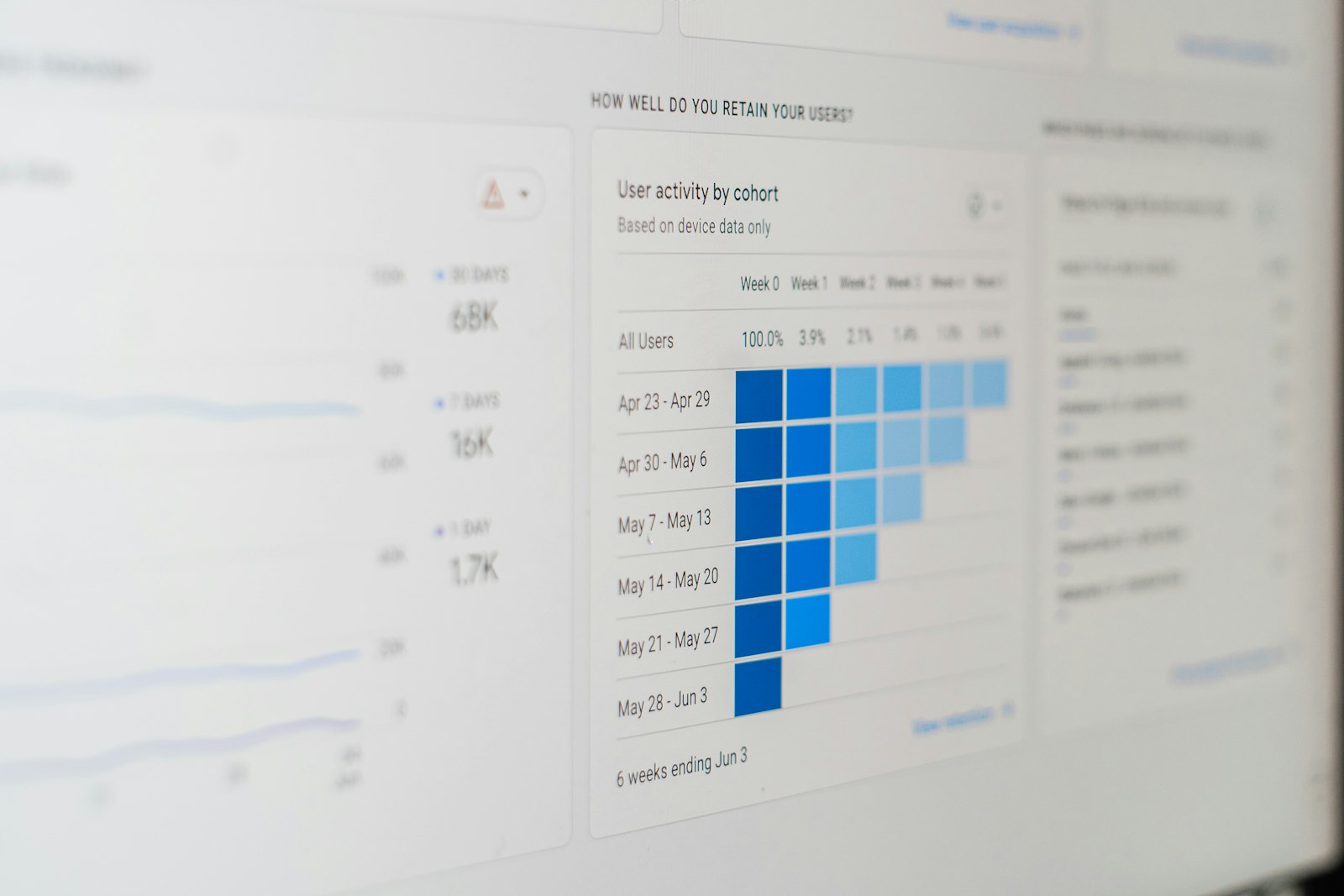
Maximize ROI with Smart Content Automation
Achieve 300-400% content automation ROI improvements with smart workflows. Learn strategic implementation for maximum returns and competitive advantages.
Louis Lua
Lua Rank Pricing: What You Actually Get
Discover Lua Rank pricing features that save $60,000+ annually vs agencies. Get transparent costs, complete feature breakdown, and ROI analysis.
Louis Lua
The Truth About AI Content Tool Pricing
Here's the reality: AI content tool pricing is all over the map, and most vendors aren't being straight with you about the real costs. We've dissected pricing models from dozens of platforms, and what we found will save you from expensive mistakes.
Louis Lua