The Future of Mobility: When Your Commute Spans Continents and Orbits
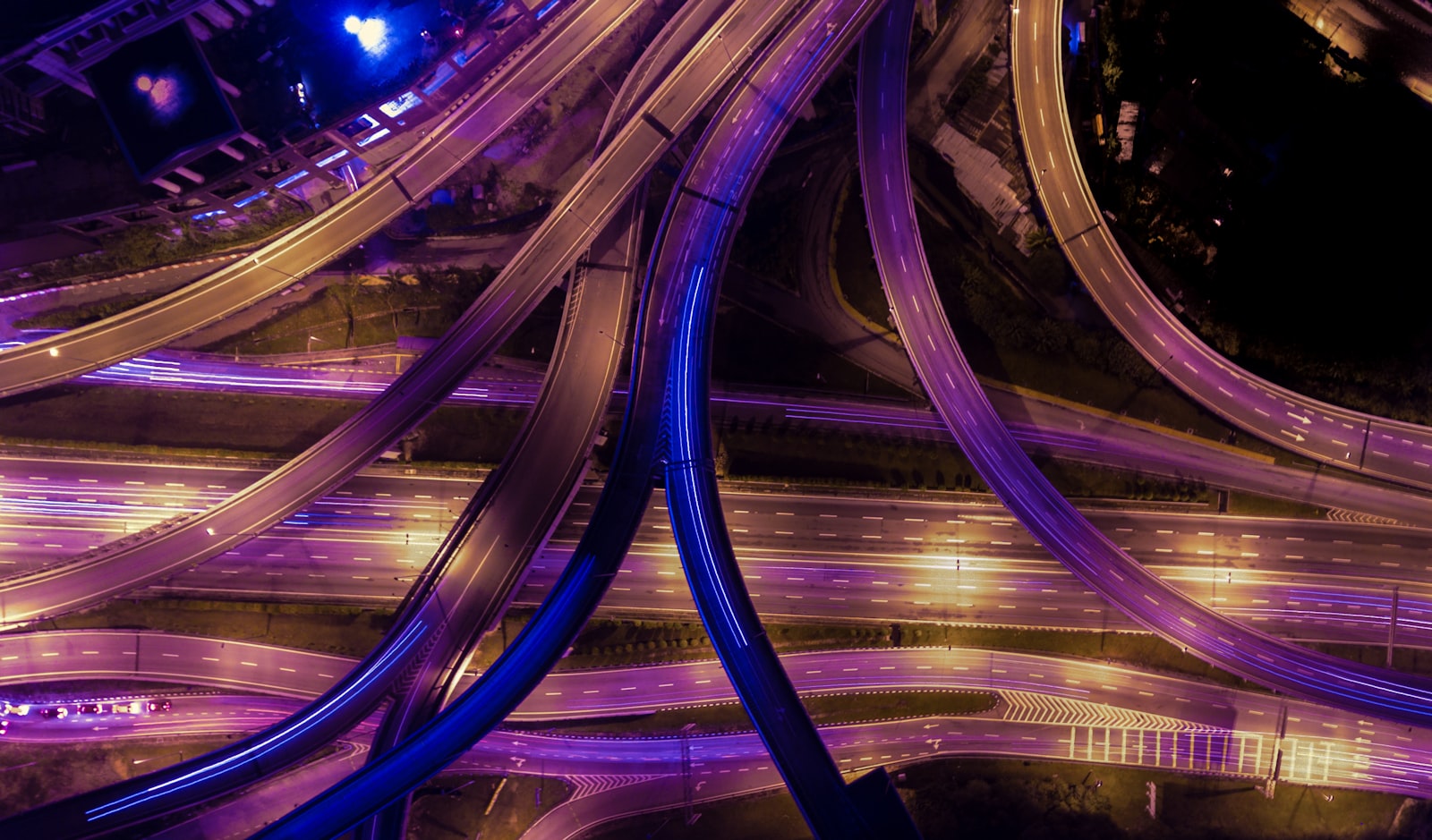
Discover how Wipe's mobility technology platform connects ground, air, and space travel into one seamless experience across 180+ countries.
Picture this: you wake up in New York, attend a business meeting in London, and end your day watching Earth from a space station 400 kilometers above. This isn't science fiction anymore. We're witnessing the birth of a revolutionary mobility technology platform that connects every corner of our planet and extends far beyond our atmosphere.
At Wipe Technologies, we've been building this vision for years. Our global presence spans 180+ countries, 3,500+ airports, and 2,500+ cities across seven continents. But we didn't stop at Earth's boundaries. We're creating humanity's first truly integrated mobility ecosystem that seamlessly connects ground transportation, air travel, sea voyages, and space tourism into one unified experience.
The transformation happening right now goes beyond traditional transportation. Industry experts predict that mobility will become a service rather than ownership, fundamentally changing how we move through the world.
The Rise of Integrated Mobility Ecosystems
Traditional transportation operates in silos. You book a car rental from one company, flights from another, and space tourism (if you're lucky enough) from yet another provider. Each service requires separate apps, different payment methods, and disconnected experiences that create friction at every step.
Our **mobility technology platform** eliminates these barriers by unifying every mode of transport into a single, seamless journey. When you travel with us, your trip from a New York apartment to a lunar research facility becomes as simple as requesting a ride across town.
Breaking Down Transportation Barriers
The key to this transformation lies in intelligent integration. Our platform orchestrates multiple transportation modes through advanced algorithms that optimize routes, timing, and cost across terrestrial and extraterrestrial options.
Consider a typical intercontinental business trip today versus tomorrow:
Traditional Journey | Integrated Platform Journey |
|---|---|
Book taxi separately | Single booking for entire journey |
Check flight status manually | Real-time coordination across all modes |
Separate ground transport at destination | Seamless handoff to next transport mode |
Multiple payment systems | One payment, one platform, one experience |
The Space Tourism Integration
Space tourism isn't just an add-on service for us. We've architected our entire mobility technology platform around the principle that human movement shouldn't be constrained by planetary boundaries. Our Orbit Nine program represents the culmination of this vision, offering orbital and suborbital experiences as naturally as we provide airport transfers.
This integration required us to solve complex logistical challenges. Space travel demands precise timing, weather considerations, and specialized ground support that traditional transportation doesn't require. Our platform manages these variables automatically, ensuring your journey from a Manhattan office to a space station happens with the same reliability as a cross-town trip.
Technology That Powers Tomorrow's Journeys
The backbone of our comprehensive **mobility technology platform** combines artificial intelligence, real-time data processing, and predictive analytics to create something unprecedented in the transportation industry. Every booking, route optimization, and service coordination happens through algorithms designed to think beyond traditional travel limitations.
Artificial Intelligence at the Core
Our AI doesn't just book your transportation. It anticipates your needs, predicts delays, and automatically adjusts your entire journey in real-time. When weather delays your orbital departure, the system instantly reschedules your ground transportation, adjusts meeting times, and coordinates with space traffic control to secure the next available launch window.
This level of integration requires processing massive amounts of data from multiple sources:
Weather patterns across multiple altitudes and atmospheric layers
Traffic conditions on roads, in airways, and orbital corridors
Vehicle availability from ground cars to spacecraft
Regulatory changes across different countries and space agencies
User preferences and historical travel patterns
Safety and Reliability Standards
Moving people between continents and orbits demands safety standards that exceed traditional transportation requirements. We've developed protocols that treat a journey from your home to the International Space Station with the same meticulous attention to safety as space agencies, while maintaining the convenience of consumer travel apps.
Transportation technology experts emphasize that safety innovation must pace with mobility advancement, particularly as we expand beyond Earth's atmosphere.
Our safety framework includes redundant systems at every level, from backup ground transportation options to alternative launch windows and emergency return protocols. Every passenger receives comprehensive briefings appropriate to their journey type, whether they're taking a chauffeur service to the airport or preparing for their first orbital experience.
Redefining the Economics of Movement
The traditional transportation industry operates on fragmented pricing models that often penalize travelers for booking multiple services. Our integrated approach to mobility creates new economic possibilities that benefit both travelers and service providers.
Platform Economics vs. Traditional Models
By operating as a unified mobility technology platform, we can optimize costs across different transportation modes in ways that individual service providers cannot match. When you book a journey that includes ground transport, flights, and orbital access through our system, we can balance pricing across these services to provide better overall value.
Platform strategy research shows that companies creating ecosystem connections often generate more value than traditional linear service providers.
This approach also creates new revenue streams for our partners. Local car rental companies in remote locations can now serve customers traveling to space tourism destinations, while chauffeur services can expand their market to include pre-orbital preparation services.
Accessibility and Democratic Space Access
Space tourism currently remains expensive, but our platform model helps reduce barriers in several ways. By bundling orbital experiences with terrestrial travel, we can distribute costs more effectively. A business traveler taking multiple international trips per year might find that adding periodic orbital experiences becomes financially viable when integrated with their regular travel budget.
We're also developing graduated space experiences, from suborbital flights to extended orbital stays, creating entry points for travelers with different budgets and comfort levels. The goal isn't just to serve ultra-wealthy space tourists, but to make orbital travel as accessible as international business travel is today.
Addressing the Challenges and Counterarguments
Critics rightfully question whether such an integrated system can deliver on its promises. The complexity of coordinating ground, air, and space transportation presents legitimate challenges that we continue to address.
Regulatory compliance across different jurisdictions remains complex. Space travel regulations differ significantly from aviation rules, and ground transportation laws vary by country and region. Our legal and compliance teams work continuously with regulators worldwide to ensure our integrated approach meets all applicable standards without compromising the seamless experience we promise.
Environmental concerns also deserve serious consideration. While space tourism does have environmental impacts, we're investing heavily in sustainable technologies and carbon offset programs. Our platform optimization actually reduces overall environmental impact by eliminating redundant trips and improving efficiency across all transportation modes.
Safety skeptics worry about rushing space tourism integration before the industry fully matures. We share these concerns and maintain conservative safety standards that prioritize passenger wellbeing over rapid expansion. Every orbital experience we offer undergoes the same rigorous safety protocols used by established space agencies.
The Next Decade of Mobility Evolution
Looking ahead, we see mobility evolution accelerating exponentially. The next ten years will bring transportation changes more dramatic than the past century combined. Our mobility technology platform positions us at the center of this transformation.
Hypersonic aircraft will reduce intercontinental flight times to under two hours. Orbital infrastructure will expand to include commercial space stations, lunar bases, and Mars research facilities. Our platform will integrate these new options seamlessly as they become available.
We're already planning for transportation modes that don't exist yet. Point-to-point rocket travel will make it possible to travel anywhere on Earth in under an hour. Space elevators and orbital tethers will eventually replace rocket launches for routine orbital access. Interplanetary shuttles will open destinations beyond Earth orbit.
Building the Infrastructure for Tomorrow
Creating this future requires massive infrastructure investments that no single company can undertake alone. That's why we've built our platform to integrate with partners across every sector of the transportation industry.
Traditional automakers are developing autonomous vehicles that will integrate with our platform. Aerospace companies are designing next-generation aircraft optimized for our routing algorithms. Space companies are building orbital infrastructure that our customers will access through the same interface they use to book ground transportation.
This collaborative approach accelerates innovation across the entire transportation ecosystem while ensuring that advances in one area benefit travelers using all modes of transport.
The future we're building at Wipe Technologies represents more than just improved transportation. We're creating new possibilities for human experience, business innovation, and global connectivity that extend from neighborhood streets to orbital destinations and beyond.
Frequently Asked Questions
How does a mobility technology platform ensure safety across such different transportation modes?
Safety integration across ground, air, and space transportation requires comprehensive protocols that meet the highest standards for each mode. We maintain separate safety certifications for different transport types while using unified communication systems that allow real-time coordination between all service providers. Our platform monitors weather, traffic, and operational conditions continuously, automatically adjusting routes and schedules to maintain safety margins across all transportation modes in your journey.
What makes orbital transportation economically viable for regular business travelers?
Economic viability comes from integration and scale rather than standalone pricing. By bundling orbital experiences with regular business travel, distributing costs across multiple journey components, and optimizing routes across different transportation modes, we can offer space experiences at price points that become accessible to frequent business travelers. As orbital infrastructure expands and launch costs decrease, these integrated packages will become even more competitive with traditional luxury travel options.
How quickly can someone transition from ground transportation to space travel using an integrated platform?
Current space tourism requires several days of preparation, but our integrated platform streamlines this process significantly. We coordinate pre-flight training, medical clearances, and equipment fitting with your regular travel schedule, often incorporating these requirements into business trip itineraries. As space transportation becomes more routine, we expect preparation time to decrease to hours rather than days, eventually making orbital access as spontaneous as international air travel is today.
Related articles
Month-to-Month Digital Marketing in Des Moines Without Long-Term Contracts
Month-to-month digital marketing in Des Moines without long-term contracts. Flexible marketing agreements that adapt to your business needs.
 Louis Lua
How to Qualify for Emergency Rent and Utility Assistance as a Veteran
Learn how to qualify for veteran emergency rent assistance programs. Get step-by-step guidance on eligibility, applications, and documentation needed to secure housing aid quickly.
Louis Lua
How B2B Service Companies Generate Qualified Leads Without Hiring
Qualified leads for B2B service companies through systematic automation. Proven strategies to scale lead generation without hiring salespeople.
 Guilherme Hortinha
Link Building Services with Guaranteed Results and Refund Protection
Link building services guaranteed results with transparent pricing and refund protection. UK Linkology delivers measurable SEO outcomes backed by genuine accountability.
Guilherme Hortinha