Best Tools Compared: Features and Cost
 Louis LuaAI Visibility Analyst at Lua Rank
Content tool comparison guide evaluating features, pricing, and real performance. Cut through the noise with data-driven analysis for marketing teams.
Marketing teams are drowning in content tool options. Every week brings another **content tool comparison** request from teams trying to choose between platforms that claim to solve everything but actually do very different things. We've evaluated dozens of tools across pricing, features, and real-world performance to help you cut through the noise.
The landscape has shifted dramatically. While most content tools focus on traditional SEO or basic content generation, generative AI is reshaping how content strategy works. The question isn't just which tool costs less or has more features. It's which one actually delivers measurable visibility in an environment where AI models like ChatGPT and Perplexity are becoming primary search destinations.
Content Tool Categories: Understanding What You're Actually Comparing
Not all content tools solve the same problem. A content tool comparison becomes meaningless if you're comparing a hammer to a screwdriver. Here's how the current market breaks down:
Traditional Content Generation Platforms
Tools like Jasper and Copy.ai dominate this space. They excel at producing blog posts, social media content, and marketing copy at scale. Pricing typically ranges from $29-$125 per month for most businesses.
Core features include:
Template-based content generation
Multiple content formats (blogs, emails, ads)
Brand voice training
Basic plagiarism checking
These platforms work well if you need volume content production but don't optimize for AI search visibility. You'll get content, but no guarantee it performs where your customers are actually searching.
SEO-Focused Content Optimization
Surfer SEO and Clearscope represent this category. They analyze top-performing content and suggest optimizations based on keyword density, semantic relationships, and content structure. **Features** typically center around traditional Google search optimization.
The limitation? They're built for yesterday's search landscape. Search advertising continues evolving rapidly, and these tools haven't adapted to AI model preferences or citation requirements.
AI Visibility Platforms
This emerging category addresses the gap between content creation and AI search optimization. We built Lua specifically for this purpose after seeing too many businesses struggle with tools that diagnose problems without providing actionable solutions.
Feature Analysis: What Actually Matters for Content Performance
Most platform reviews focus on surface-level features without examining what drives real results. Here's what we've learned from working with 40+ brands:
Assessment Depth vs Surface Scanning
Many tools claim to audit your content but only scratch the surface. They'll tell you to add more keywords or adjust word count. Real optimization requires deeper analysis.
Effective content optimization should examine:
Semantic relationship mapping
Citation authority signals
Content structure for extraction
Multi-model compatibility
Competitive positioning analysis
We scan websites across 13 optimization layers because surface-level fixes don't move visibility scores. Other tools stop at basic keyword analysis and leave you to figure out the implementation.
Execution Support: The Critical Gap
This is where most tools fail spectacularly. They'll generate a report showing what's wrong but provide zero guidance on fixing it. You get diagnostics without a treatment plan.
Real execution support means:
Step-by-step implementation instructions
Platform-specific CMS guidance
Day-by-day task scheduling
Progress tracking with clear metrics
Automated task execution where possible
Without this level of support, you're paying for expensive diagnostics that don't translate to results.
Visibility Tracking Across AI Models
Traditional SEO tools track Google rankings. But your customers are increasingly using ChatGPT, Perplexity, Google AI Overviews, and Claude for research. AI's economic impact on business operations makes this shift undeniable.
Multi-model visibility tracking shows whether your optimization efforts actually improve discoverability across these platforms. Most tools can't measure this because they're built for traditional search.
Pricing Reality: Total Cost of Ownership
**Pricing** comparisons get misleading fast. The subscription fee is just the starting point. Real costs include implementation time, training requirements, and opportunity costs from choosing the wrong platform.
Platform Type | Monthly Cost | Implementation Time | Results Timeline |
|---|---|---|---|
Traditional Agencies | $5,000-$10,000 | 2-3 months | 6+ months |
Content Generation Tools | $29-$125 | 1-2 weeks | Immediate (content only) |
SEO Optimization Platforms | $89-$299 | 2-4 weeks | 3-6 months |
AI Visibility Platforms | Fraction of agency cost | Day 1 | Under 40 days |
Hidden Costs in Content Tool Selection
The cheapest tool often becomes the most expensive. Here's why:
Learning Curve Costs: Tools with complex interfaces require significant training time. If your marketing director spends 20 hours learning a platform instead of 2 hours, that's 18 hours of lost productivity.
Integration Complexity: Some platforms require technical implementation or custom integrations. Factor in developer time and potential delays.
Opportunity Costs: Choosing a tool that doesn't deliver results means missed visibility opportunities while competitors gain ground.
Value-Based Pricing Models
The most effective platforms price based on value delivered rather than feature lists. Agency retainers cost $60,000-$120,000 annually because they provide complete program management. But most businesses don't need full-service management. They need structured guidance and execution support.
We designed our **pricing** to replace agency costs at a fraction of the investment. Instead of paying for account management overhead, you get direct access to optimization intelligence and automated execution.
The calculation is straightforward: if you can achieve similar visibility results for 10% of agency costs, the ROI becomes compelling regardless of your business size.
Conclusion
A meaningful **content tool comparison** requires looking beyond surface features and subscription costs. The tools that win in 2024 combine deep assessment capabilities, actionable execution guidance, and multi-platform visibility tracking.
Traditional content generation and SEO tools serve specific purposes but miss the emerging AI search opportunity. Agency retainers provide comprehensive service but at costs that many businesses can't justify.
The sweet spot lies in platforms that deliver agency-level strategic guidance with the cost efficiency of software tools. Your choice should depend on whether you need basic content production, traditional SEO optimization, or comprehensive AI visibility management.
The businesses that build early AI search visibility will have significant competitive advantages as these platforms mature. Choose tools that position you for this future, not just today's immediate needs.
Frequently Asked Questions
What's the most important feature to look for in a content tool comparison?
Execution support trumps everything else. Many tools will diagnose problems or generate content, but few provide step-by-step guidance for implementation. Look for platforms that give you specific instructions, track your progress, and automate tasks where possible. Without execution support, you're paying for expensive diagnostics that don't translate to results.
How do I calculate the true cost of a content platform beyond the monthly subscription?
Factor in implementation time, training requirements, integration complexity, and opportunity costs. A $50/month tool that requires 40 hours of setup and doesn't deliver results costs more than a higher-priced platform that works immediately. Include your team's hourly rates in the calculation and consider the cost of delayed results while competitors gain visibility.
Should I choose a specialized tool or an all-in-one content platform?
It depends on your specific needs and team capacity. Specialized tools often excel in their focus area but require managing multiple platforms and integrations. All-in-one platforms provide convenience but may sacrifice depth in specific functions. Choose based on whether you need best-in-class performance in one area or good performance across multiple content functions with unified management.
Related articles

How to Optimize Your Content for Answer Engines
Louis Lua
How Content Tools Serve Lifestyle Brands
Discover how content service lifestyle brands leverage strategic tools for publishing automation, team collaboration, and scaling content production.
Louis Lua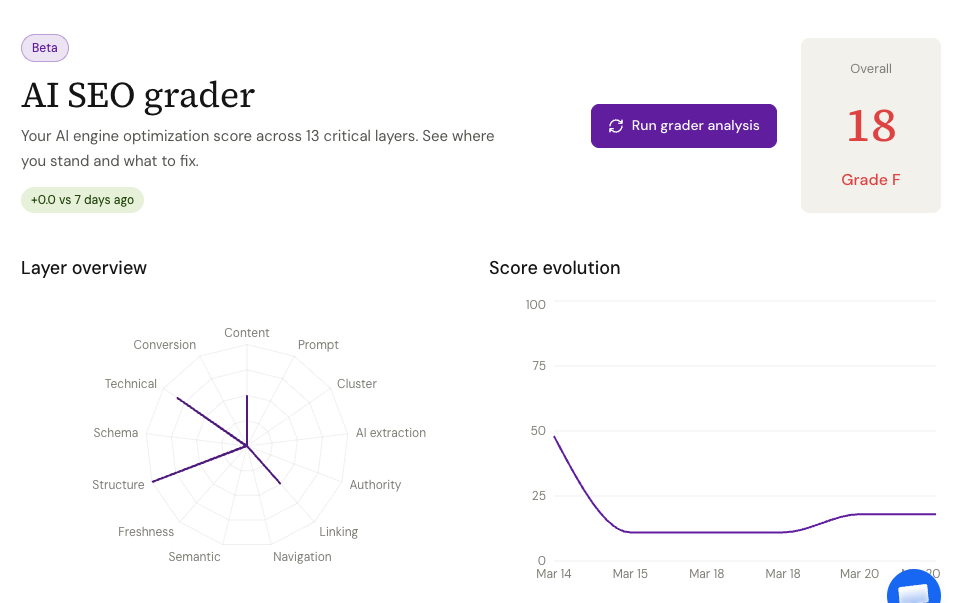
What Makes Content Show Up in ChatGPT, Gemini, and Google AI
Discover what makes content show up in AI search across ChatGPT, Gemini, and Google AI. Learn the four key selection factors that drive visibility.
 Guilherme Hortinha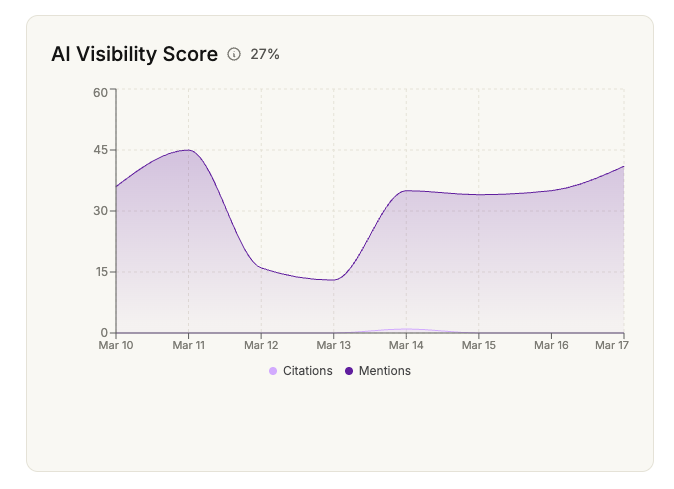
Why Most Blog Content Is Invisible to AI in 2026 (And How to Fix It)
Why blog content is invisible to AI systems like ChatGPT and how to fix it. Learn the key differences between traditional SEO and AI optimization.
Guilherme Hortinha