Why Most Blog Content Is Invisible to AI in 2026 (And How to Fix It)
 Guilherme HortinhaCo-Founder of Lua Rank & AI Visibility Strategist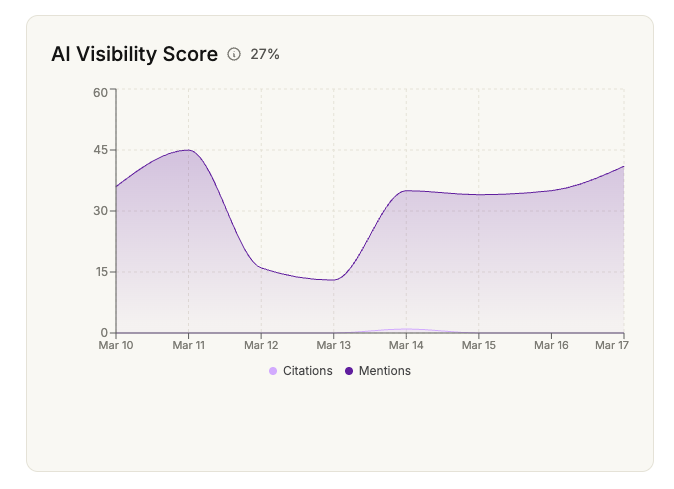
Why blog content is invisible to AI systems like ChatGPT and how to fix it. Learn the key differences between traditional SEO and AI optimization.
Most blog posts, even well-crafted ones, are effectively invisible to AI systems. They don't appear in ChatGPT responses, Google AI Overviews, or Gemini answers. Despite months of careful writing and optimization, they sit untapped while AI pulls from the same limited set of sources.
The reason is simple: traditional SEO focuses on ranking pages, while AI search focuses on selecting answers. We've spent years optimizing for Google's algorithm, but AI models operate by completely different rules. They don't crawl and rank pages. They extract specific information snippets that directly answer user queries.
According to McKinsey's research, generative AI could add trillions in value to the global economy, yet most businesses haven't adapted their content strategies for this shift. Your carefully optimized blog posts might rank on page one of Google, but when users ask ChatGPT the same question, your content never gets mentioned.
Why Blog Content Fails in AI Systems
The gap between AI SEO vs traditional SEO comes down to four critical failures in how content gets structured and positioned.
Content Isn't Aligned with Real User Prompts
Most blog posts target keyword variations instead of actual questions people ask AI systems. When someone searches Google for "email marketing tips," they might find your article titled "10 Email Marketing Tips for 2024." But when they ask ChatGPT "How do I write emails that actually get opened and clicked?", your generic tips article doesn't match the conversational, specific nature of their prompt.
AI models prioritize content that directly addresses natural language questions. They're looking for complete, contextual answers, not keyword-optimized headlines.
Incomplete Topic Coverage
AI systems favor comprehensive sources that cover topics thoroughly. Many blog posts tackle narrow slices of broader subjects without connecting to the full context users need.
Take a post about "how to set email subject lines." In isolation, this might rank well for that specific phrase. But when someone asks an AI about email marketing strategy, the model needs sources that explain subject lines within the broader context of deliverability, audience segmentation, and campaign performance.
Poor Structure for Information Extraction
AI models excel at pulling specific facts, processes, and answers from well-structured content. Most blog posts bury key information in lengthy paragraphs or present it in ways that make extraction difficult.
Here's what doesn't work for AI extraction:
Long introductory paragraphs before getting to the actual answer
Key information scattered across multiple sections
Conclusions that summarize rather than state clear outcomes
Vague language instead of specific, actionable statements
Research from the statista shows that models consistently prefer content with clear hierarchical structure and direct answers to specific questions.
Content Exists in Isolation
AI models assess topical authority by examining how well-connected and comprehensive your content ecosystem is. A single blog post, no matter how well-written, carries less weight than content that's part of a broader, interconnected system.
When AI systems evaluate sources, they look for patterns of expertise across related topics. Your individual post about email deliverability gains authority when it connects to related content about email authentication, list management, and compliance standards.
What Actually Works for AI Visibility
Understanding why content doesn't appear in ChatGPT and other AI systems points to a different content approach. The brands achieving consistent AI visibility follow specific patterns that align with how models select and present information.
Build Content Around Specific Questions
Instead of targeting broad keywords, successful AI search optimisation starts with the exact questions your audience asks conversational AI. These questions are more specific and contextual than traditional search queries.
Rather than writing "Social Media Marketing Best Practices," create content that answers "How do I measure whether my social media campaigns are actually driving sales?" This specificity helps AI models match your content to user intent more precisely.
Structure for Clear Extraction
Content that appears in AI responses follows predictable structural patterns that make information easy to extract and cite:
Traditional Blog Structure | AI-Optimized Structure |
|---|---|
Long introduction | Direct answer in first paragraph |
Keyword-focused headings | Question-based headings |
Generic examples | Specific, actionable steps |
Summary conclusion | Clear outcome statements |
Cover Topics Comprehensively
AI models gravitate toward sources that provide complete context rather than surface-level coverage. This means going deeper on fewer topics rather than touching lightly on many topics.
When we analyze content that consistently appears in AI responses, it typically covers not just the main question but also the related questions users naturally have. A piece about email automation doesn't just explain the technical setup. It addresses when to use automation, how to avoid common mistakes, and how to measure success.
Connect Related Content Systematically
AI visibility requires building content clusters where individual pieces reinforce each other's topical authority. This isn't just internal linking. It's creating genuine connections between related concepts that help AI models understand your expertise breadth.
For example, our work with clients shows that content about "email deliverability" gains more AI citations when it's connected to pieces about "email authentication," "sender reputation," and "inbox placement testing." The models can see the comprehensive coverage and trust the source more readily.
Building a System for AI Optimization
Making your content visible to AI systems requires a systematic approach, not random blog posts. The most successful brands treat AI visibility as a structured program with clear processes and measurable outcomes.
Map Content to User Intent
Start by identifying the specific questions your audience asks AI systems about your topics. These differ significantly from keyword searches. Use tools to analyze actual AI conversations, not just search volume data.
The Content Marketing Institute emphasizes that AI-focused content strategy requires understanding conversational patterns rather than traditional search behavior.
Audit Existing Content for AI Readiness
Most existing blog content can be optimized for AI visibility through structural changes and content additions. This is often more efficient than creating everything from scratch.
Key optimization areas include:
Adding direct answers to common questions
Restructuring information for easier extraction
Connecting isolated posts to broader topic clusters
Including specific examples and actionable steps
Create Execution Plans and Track Progress
AI optimization works best when treated as a systematic program rather than individual content updates. This means creating specific plans for how to optimise for AI answers across your content portfolio.
We've seen this firsthand working with 40+ brands through Lua Rank. Companies that approach AI visibility systematically see results in weeks, not months. Our platform scans websites across 13 optimization layers and creates 12-month execution plans that turn AI visibility into daily, trackable tasks.
The brands achieving first-page ChatGPT rankings in under 40 days aren't just writing better content. They're following structured programs that address everything from content gaps to technical optimization.
Monitor AI Visibility Like Traditional Rankings
You can't improve what you don't measure. AI visibility requires tracking how often your content appears in responses from ChatGPT, Google AI Overviews, Perplexity, and Claude.
This means moving beyond traditional SEO metrics to understand citation frequency, answer positioning, and competitive visibility across AI platforms. The brands winning in AI search treat this monitoring as seriously as they treat Google rankings.
Rather than replacing traditional SEO, this becomes an additional layer of optimization that compounds the value of your existing content investment. The same content can serve both traditional search and AI systems when properly structured and positioned.
If you're ready to evaluate your current AI visibility and build a systematic optimization program, we can help you understand exactly where your content stands and what specific steps will drive results. The opportunity exists now, while most competitors are still figuring out that traditional SEO and AI optimization require different approaches.
Frequently Asked Questions
How long does it take to see results from AI content optimization?
Most brands see initial AI visibility improvements within 30-40 days when following a systematic approach. However, this depends on starting from well-structured content and addressing the key optimization layers consistently. Traditional SEO might take 6-12 months to show ranking improvements, but AI systems can start citing your content much faster once it's properly structured for extraction.
Can I optimize existing blog posts for AI, or do I need to start over?
Most existing content can be successfully optimized for AI visibility through strategic restructuring and content additions. The key changes include adding direct answers in opening paragraphs, restructuring information with clear headings, and connecting posts to related content clusters. Starting completely over is rarely necessary and often less efficient than systematic optimization of your current content portfolio.
What's the biggest difference between writing for Google and writing for AI systems?
Google focuses on ranking pages based on authority and keyword relevance, while AI systems select specific information snippets that directly answer user queries. This means AI-optimized content needs to provide complete, extractable answers rather than just matching keyword phrases. The content structure, question alignment, and comprehensive topic coverage become more important than traditional on-page SEO factors.
Related articles
How Your Lua Article Was Created (And Why It Shows Up in AI Search)
Learn how articles show up in AI search through strategic optimization. Discover why 90% of content gets ignored by AI models and what makes articles AI-visible.
Guilherme Hortinha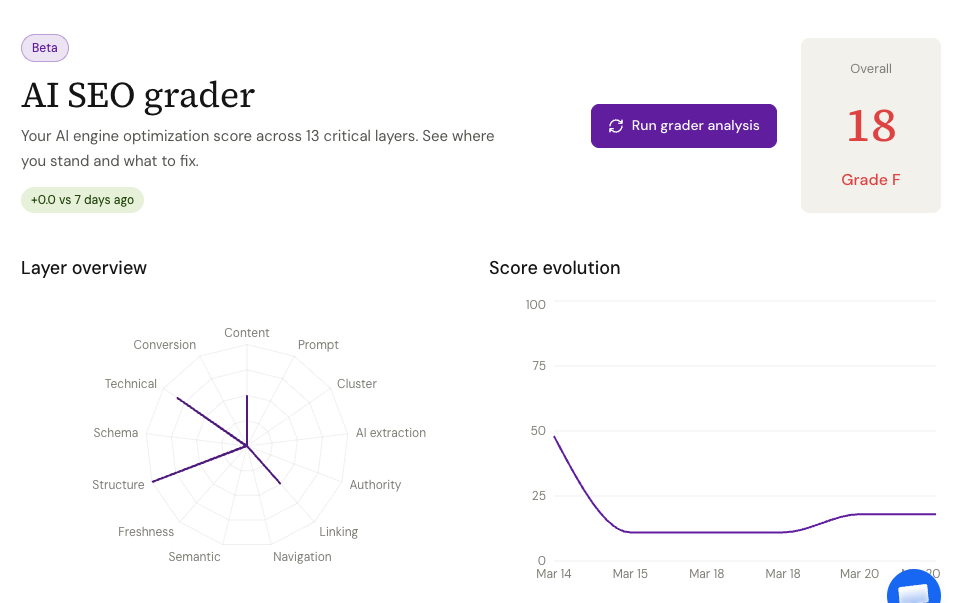
What Makes Content Show Up in ChatGPT, Gemini, and Google AI
Discover what makes content show up in AI search across ChatGPT, Gemini, and Google AI. Learn the four key selection factors that drive visibility.
Guilherme Hortinha